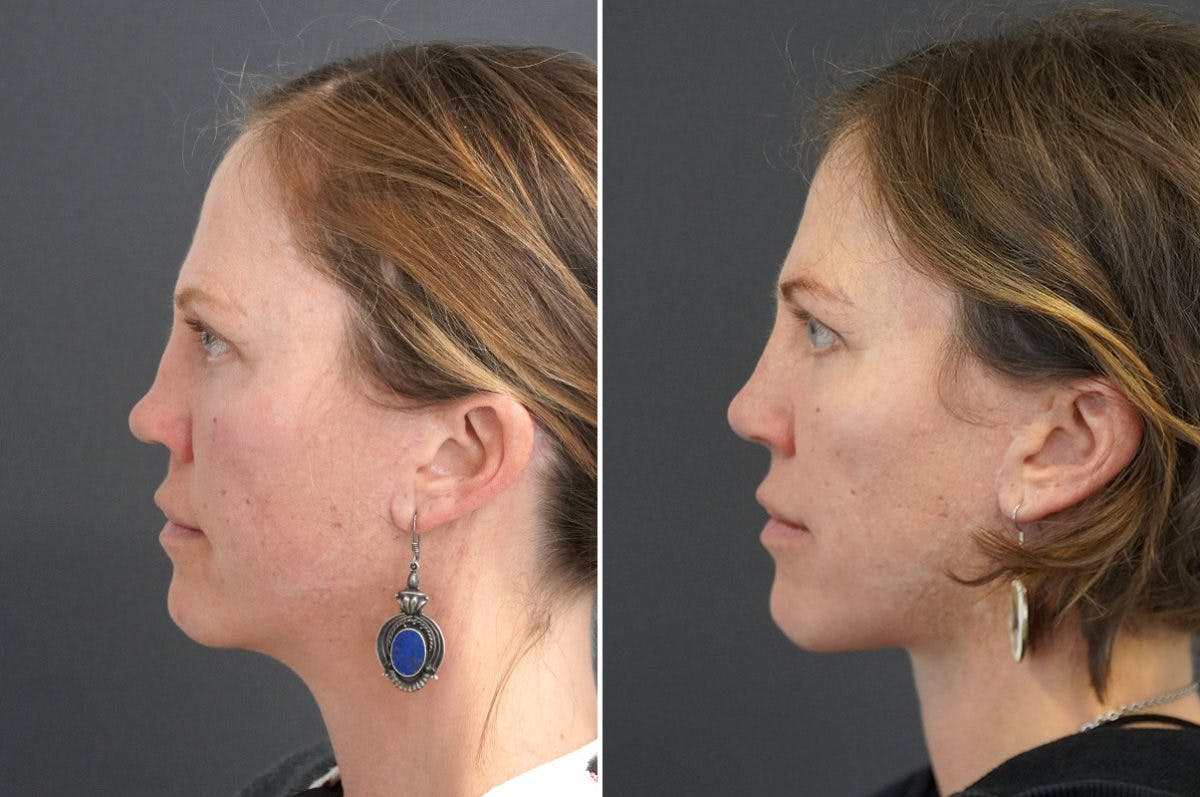
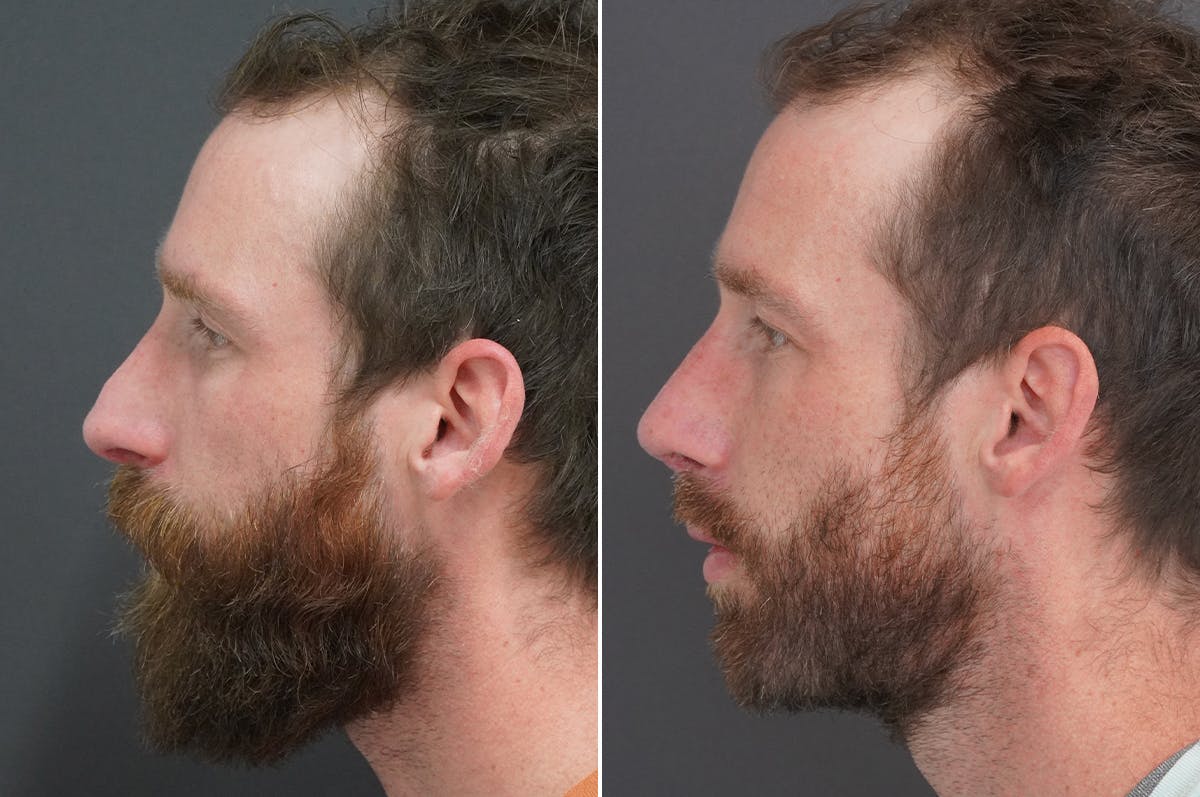
Revision Rhinoplasty Overview

An Elegant Correction

Revision rhinoplasty, or secondary rhinoplasty, is precisely what it sounds like: a surgical procedure performed on patients who have previously undergone a rhinoplasty (commonly referred to as a nose job) procedure but are not satisfied with the results. It’s worth noting that this type of surgery is typically more complex than the initial rhinoplasty and requires a highly skilled surgeon with extensive experience in nasal surgery. Given this, Dr. Thompson is your best bet in the Denver area to achieve the results you have long desired. 

Woman in white top and yellow skirt

Who is a Good Candidate for Revision Rhinoplasty?

As mentioned, the ideal candidate for revision rhinoplasty is someone who has already undergone a primary rhinoplasty but is dissatisfied with the results. Having realistic expectations and understanding that revision rhinoplasty is not a miracle cure is essential.

Patients who have experienced trauma to the nose, such as a sports injury or car accident, may also be good candidates for revision rhinoplasty.

Finally, patients who have had the most success with the procedure are typically in good overall health and do not have any underlying medical conditions that could interfere with the healing process. Patients who smoke or use nicotine products are not good candidates for revision rhinoplasty, as smoking can increase the risk of complications and delay the healing process.

How Long Should You Wait Before Revision Rhinoplasty?

One of the most common questions patients ask is when they can safely undergo revision rhinoplasty. In most cases, surgeons recommend waiting approximately 12 months after the original rhinoplasty before considering another operation.

Although much of the visible swelling improves within the first several months, the nose continues healing internally for up to a year. Cartilage softens, scar tissue matures, and subtle shape changes continue throughout this process.

Operating too early may:

  • Interfere with normal healing
  • Increase surgical difficulty
  • Make the final outcome less predictable
  • Lead to unnecessary additional procedures

If you are unhappy with your results, Dr. Thompson can evaluate your nose before one year has passed, explain what changes may still occur naturally, and help determine the appropriate timing for revision surgery.

Exceptions occasionally exist after trauma, severe functional problems, or major complications, but these situations are evaluated individually.

Revision Rhinoplasty Before & After Photos

View Gallery

Getting an Initial Consultation 

Since several treatment options are available for revision rhinoplasty, including open and closed approaches, the choice of technique will depend on your specific needs. During your initial consultation at Dr. Thompson’s office, he will assess your case and recommend the most appropriate action. During the consultation, he will evaluate your medical history, examine the nose, and discuss your goals and expectations for the surgery. Dr. Thompson will also go over the risks and benefits of the procedure, as well as the recovery process. It is essential to understand that revision rhinoplasty is a complex surgery and that the recovery period can often be longer than that of primary rhinoplasty. If you decide to proceed with the surgery, Dr. Thompson will create a personalized treatment plan addressing your specific concerns and goals. 

Banner media
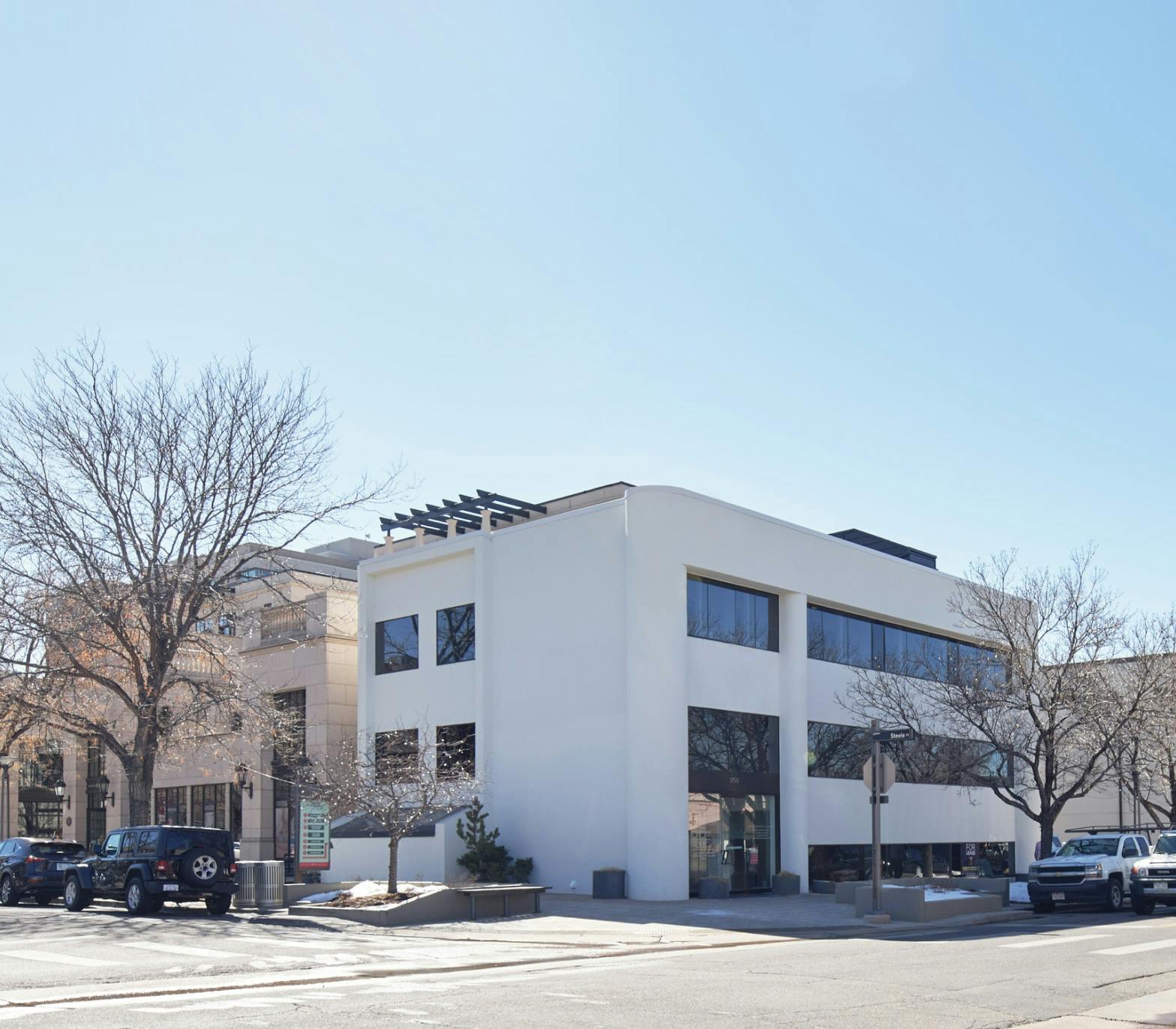
Office media

The Day of Your Procedure

During a revision rhinoplasty procedure, Dr. Thompson will make incisions either inside the nostrils or outside the nose, depending on the extent of the correction needed. He will then carefully reshape the nose to achieve the desired results. This may involve removing excess tissue, adding tissue, or simply reshaping the existing tissue. Above all, he will also ensure that the nose matches the rest of your facial features.

Revision Rhinoplasty Recovery Timeline

Healing after revision rhinoplasty is often slower than recovery after a primary nose surgery because additional scar tissue and structural reconstruction may be involved. Understanding what to expect can help patients feel more prepared throughout the healing process.

First Week

Swelling and bruising are most noticeable.
A splint is typically worn to protect the nose.
Mild congestion is common.
Most patients return for splint removal after approximately one week.

Weeks 2-4

Bruising continues to fade, and patients usually feel comfortable returning to work, social activities, and light daily routines. Although swelling has improved significantly, the nose still appears fuller than the final result.

Months 1-6

The nose gradually becomes more refined as swelling continues to resolve. Breathing often improves during this period if functional corrections were performed.

Up to 18 Months

Final definition may continue to develop for 12 to 18 months, particularly after complex revision procedures involving cartilage grafting or extensive reconstruction.

Throughout your recovery, Dr. Thompson closely monitors healing to ensure your results continue progressing as expected.


Banner media

Recovery and Results

After undergoing revision rhinoplasty, the recovery period can vary depending on the extent of the procedure. Typically, patients can expect to experience some swelling, bruising, and discomfort in the first few days after surgery.

It is essential for patients to follow post-operative instructions carefully to ensure a smooth recovery. This may include taking prescribed pain medication, using ice packs to reduce swelling, and avoiding strenuous activities for several weeks.

In addition, patients may need to wear a splint or cast on their noses for some time to help support the healing process. Depending on the individual's healing progress, this may be removed after a week or two.

While most patients can return to work and other normal activities within a few weeks, it is essential to note that the entire healing process can take several months. During this time, patients should avoid activities that could damage the nose or hinder the healing process.

Banner media

Why Patients Seek Revision Rhinoplasty

Revision rhinoplasty is performed when a patient is dissatisfied with the cosmetic appearance, nasal function, or both after a previous nose surgery. While many primary rhinoplasty procedures are successful, even well-executed surgeries can leave concerns that patients wish to improve. In other cases, changes during healing or trauma after surgery may alter the final result.

At Thompson Facial Plastics, Dr. R. William Thompson carefully evaluates each patient's anatomy, surgical history, and goals to develop a personalized revision plan that restores both confidence and function whenever possible.

Cosmetic Reasons for Revision Rhinoplasty

Some patients are pleased with the overall outcome of their first rhinoplasty but remain bothered by one or two specific features. Common cosmetic concerns include:

  • A crooked or twisted nasal bridge
  • Persistent dorsal hump
  • An over-rotated or drooping nasal tip
  • Asymmetry after healing
  • Irregular contours or visible bumps
  • A nose that appears too narrow, too wide, or disproportionate to the face

Revision rhinoplasty focuses on refining these concerns while preserving a natural appearance that complements your facial features.

Functional Reasons for Revision Rhinoplasty

For many patients, breathing problems are just as important as appearance. Structural issues may develop after surgery or may not have been fully corrected during the original procedure.

Functional concerns may include:

  • Difficulty breathing through one or both nostrils
  • Nasal valve collapse
  • Persistent septal deviation
  • Internal scar tissue affecting airflow
  • Collapse of nasal support structures

Dr. Thompson evaluates both cosmetic and functional concerns to create a treatment plan that improves appearance while restoring healthy nasal breathing whenever possible.

Background media

Why Choose Thompson Facial Plastics For Revision Rhinoplasty?

As a facial plastic surgeon specializing in cosmetic and reconstructive procedures of the face, Dr. Will Thompson takes a particular interest in performing surgeries that improve the aesthetic appearance of the nose and help correct any potential breathing issues. Revision rhinoplasty offers him a chance to help patients who have been disappointed before and help them achieve the results they have long desired. 

FAQ

Can revision rhinoplasty fix breathing problems?

Will I need cartilage grafts?

Is revision rhinoplasty more painful than primary rhinoplasty?

How many revision rhinoplasty procedures can someone have?

How successful is revision rhinoplasty?

Can revision rhinoplasty fix breathing problems?

Yes. Many revision procedures address both cosmetic concerns and structural issues that interfere with normal breathing. Depending on your anatomy, surgery may correct nasal valve collapse, septal deviation, or weakened cartilage support.

Will I need cartilage grafts?

Not every patient requires cartilage grafting, but many revision procedures do. Cartilage helps rebuild support, improve symmetry, and maintain long-term stability. Dr. Thompson will determine whether grafting is appropriate during your consultation.

Is revision rhinoplasty more painful than primary rhinoplasty?

Most patients report discomfort similar to or only slightly greater than their first rhinoplasty. Swelling and congestion are generally more noticeable than pain, and discomfort is typically well managed with prescribed medication.

How many revision rhinoplasty procedures can someone have?

While revision rhinoplasty can often successfully correct previous concerns, each surgery becomes increasingly complex. Preserving healthy tissue and structural support is essential, which is why choosing an experienced facial plastic surgeon is especially important for secondary or tertiary procedures.

How successful is revision rhinoplasty?

Success depends on the patient's anatomy, previous surgery, healing characteristics, and treatment goals. While perfection cannot be guaranteed, revision rhinoplasty performed by an experienced facial plastic surgeon can significantly improve both nasal appearance and function for appropriately selected patients.

Contact us media

Book NowSchedule a Consultation

If you’ve long wished to make a change, why wait any longer? We're here to help. Give us a call today to begin your journey to a new you.

Book Now

Accessibility: If you are vision-impaired or have some other impairment covered by the Americans with Disabilities Act or a similar law, and you wish to discuss potential accommodations related to using this website, please contact our Accessibility Manager at (303) 667-1474.
Contact Us