Finding the Right Solution for You

The exact cause of rhinophyma remains elusive, but it is thought to be a late stage of phymatous rosacea due to the increased growth of the sebaceous glands. Men between 50 and 70 are more commonly affected, but women can also experience the condition. Anyone affected by rosacea, which is a chronic inflammation of the skin, may suffer from rhinophyma. And symptoms include redness, the appearance of swollen blood vessels, increased pore size, and superficial skin infections, which may produce a foul-smelling discharge. The skin changes of the nose are usually benign but sometimes can mask certain types of skin cancer. While there are ways to address the early stages of rhinophyma with topical or oral antibiotics, once the late stages have become visible, rhinophyma surgery—using excision and lasers—is usually necessary for treatment. 

What Is Rhinophyma?

Rhinophyma is an advanced form of rosacea that causes the skin of the nose to gradually become thicker, enlarged, and more irregular in texture. As the condition progresses, the sebaceous glands can enlarge and excess tissue can develop, creating a bulbous or uneven appearance. Rhinophyma most often affects the nose, although the underlying rosacea may cause redness and visible blood vessels in other areas of the face.

The condition can develop gradually over time, and the degree of tissue overgrowth varies from person to person. 

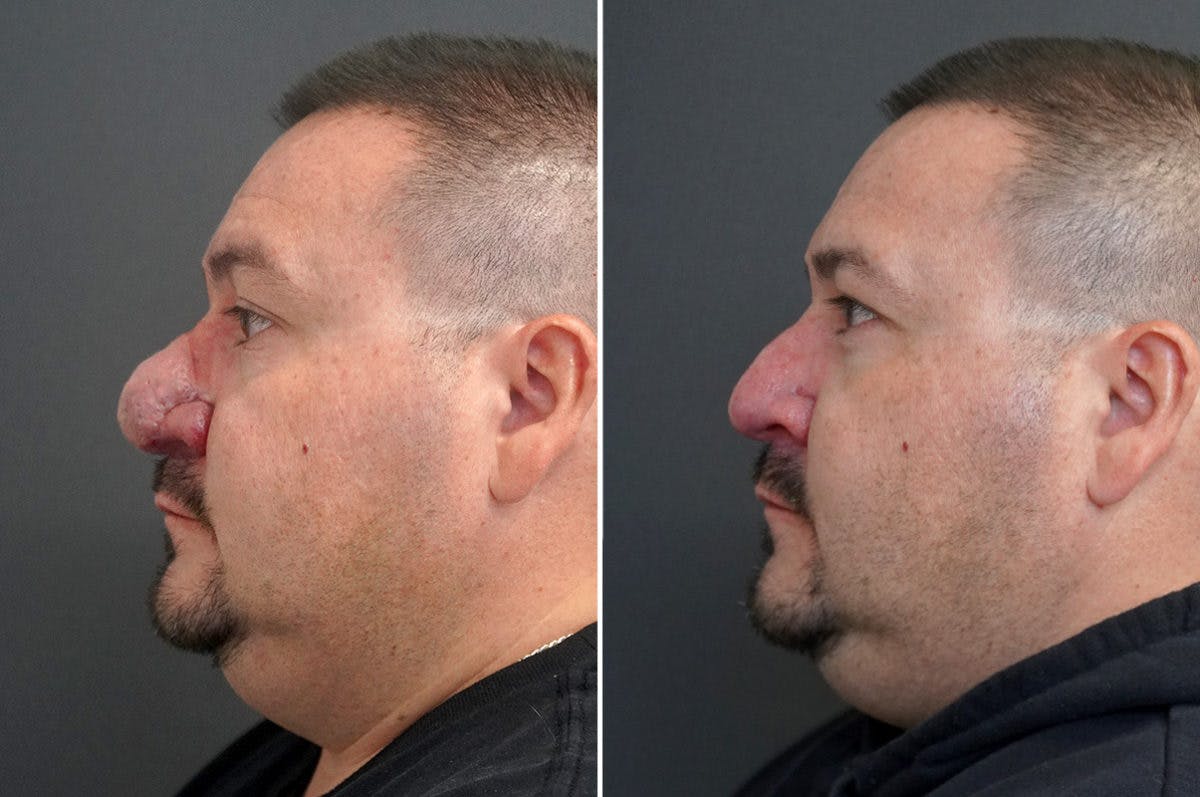
Mild cases may involve subtle thickening and enlarged pores, while more advanced rhinophyma can significantly change the shape and contours of the nose. If you are experiencing changes associated with rhinophyma in Denver, an evaluation with a facial plastic surgeon can help determine the severity of the condition and whether treatment may be appropriate.

Because these changes are caused by excess skin and tissue rather than simply swelling, advanced rhinophyma may require a procedural approach to restore a more defined nasal appearance.

Banner media
Man in grey sweater

Is Rhinophyma Treatment Right for Me?

Typically, patients who elect to have rhinophyma treatment are in good health and have long been bothered by the appearance of their noses due to rosacea. As mentioned, there are various ways to address the condition, depending on its intensity and stage of progression. From antibiotic creams to surgical excision, you can be assured this troublesome issue will be addressed. 

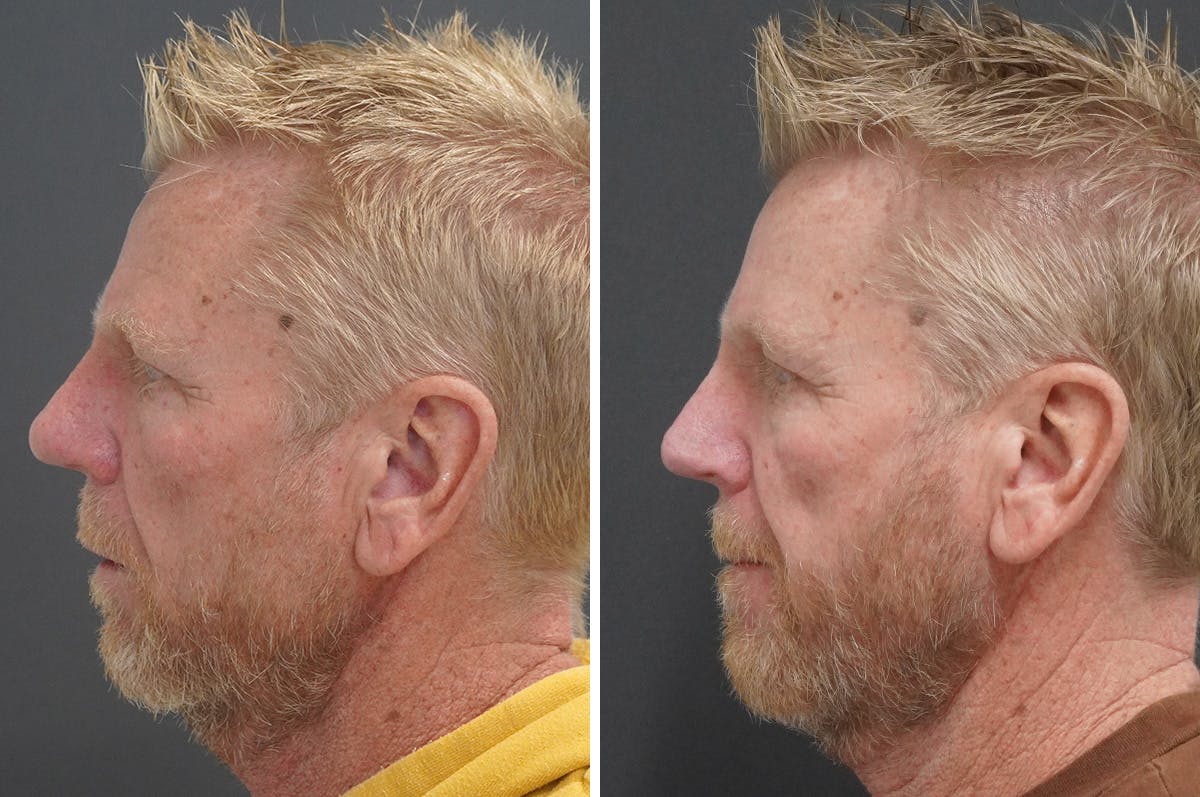
Rhinophyma Treatment Before & After Photos

View Gallery

Schedule A Consultation

Contact Us
Contact us media

Rhinophyma Treatment Options

Depending on the severity of rhinophyma, treatment may involve nonsurgical management, laser resurfacing, surgical removal of excess tissue, or a combination of techniques. During an evaluation, Dr. Thompson can assess the extent of tissue overgrowth and determine which approach is appropriate for your nose.

  • Medications: Early-stage rhinophyma may sometimes be managed with medications used to control underlying rosacea and inflammation.
  • CO2 laser treatment: A CO2 laser can be used to precisely remove or vaporize excess tissue and help reshape the surface of the nose.
  • Surgical excision: More advanced rhinophyma may require removal of excess tissue with a surgical technique.
  • Combination treatment: In some cases, laser resurfacing and surgical excision can be used together to address both significant tissue overgrowth and surface irregularities.

Rhinophyma vs. Rosacea

Rosacea is a chronic inflammatory skin condition that can cause persistent facial redness, visible blood vessels, and other skin changes. Rhinophyma is a more advanced form of phymatous rosacea characterized by thickening and enlargement of the nasal skin and tissue. While rosacea may affect several areas of the face, rhinophyma specifically involves tissue changes of the nose.

What Causes Rhinophyma?

The exact cause of rhinophyma is not fully understood. Rhinophyma is commonly associated with advanced or long-standing rosacea, a chronic inflammatory skin condition that can cause persistent redness, visible blood vessels, and changes in skin texture. Over time, some patients develop an overgrowth of sebaceous glands and connective tissue in the nose, leading to thickened skin, enlarged pores, and excess tissue.

Not everyone with rosacea develops rhinophyma, and rhinophyma can occasionally occur without a previous rosacea diagnosis. The condition typically develops gradually, with changes in the appearance and texture of the nose becoming more noticeable over time.

Rhinophyma is not caused by alcohol consumption, despite a long-standing misconception about the condition. If you notice persistent thickening of the skin on your nose, enlarged pores, redness, or a gradual change in the shape of your nose, an evaluation can help determine whether the changes are consistent with rhinophyma and whether treatment may be appropriate.

Rhinophyma Recovery

Recovery after rhinophyma treatment depends on the severity of the condition, the amount of tissue that needs to be removed, and the treatment technique used. Rhinophyma procedures may involve surgical excision, CO2 laser treatment, or a combination of techniques, so each patient's healing process can be different.

After treatment, the skin of the nose will need time to heal and regenerate. Swelling, redness, sensitivity, and changes in the texture or appearance of the treated skin can occur during the early stages of recovery. Your specific wound-care instructions will depend on the technique used and the extent of treatment.

As the skin heals, the appearance of the nose should gradually become more defined. It is important to remember that the final appearance may not be immediately apparent after treatment, as the skin can continue to change as swelling subsides and healing progresses.

Dr. Thompson will provide detailed instructions for caring for the treated area and can explain what to expect during each stage of recovery. Following these instructions and attending recommended follow-up appointments can help support proper healing and allow your progress to be monitored.

Because our rhinophyma treatment in Denver is tailored to the individual, Dr. Thompson can also discuss your expected recovery timeline during your consultation and explain when you may be able to return to your normal activities.


Background media
Doctor media

Your Initial Consultation

The first step of this journey is to schedule a consultation with Dr. Thompson at his Denver practice. During this appointment, prospective patients can explain their physical concerns to the doctor and learn about various correction methods. Given that many different treatment options are available—including surgical treatment and other types of lasers—you can be sure that your unique needs will be addressed and that Dr. Thompson will create a customized treatment plan. 

The Day of Your Procedure

If you elect to have your rhinophyma treated surgically, the procedure may be performed either under local anesthetic or general anesthesia. Typically, a CO2 laser is employed to shave or evaporate lumps of tissues, or a scalpel or razor blade is used for removal. Often a combination of these two methods offers the best results. As mentioned, you can be sure the approach is designed with your specific needs. 

Recovery and Results

One of the chief benefits of this procedure is that rhinophyma rarely occurs once it has been treated with surgery or laser excision. If the patient chooses a less aggressive treatment strategy, more than one treatment may be needed. Recovery from the surgery typically takes three months, and if you require more than one treatment, this will extend the healing time. 

Background media

Why Choose Us?

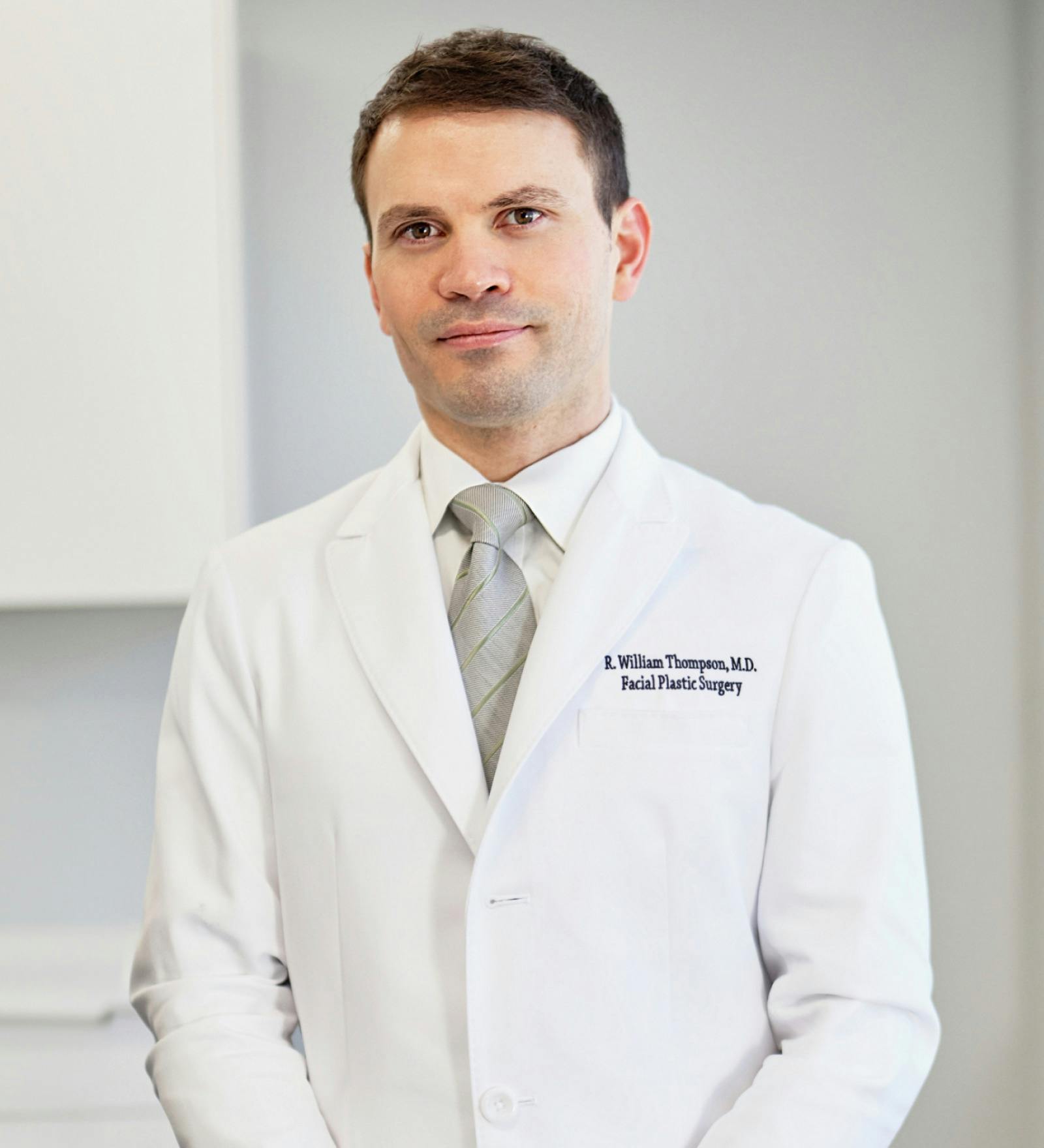
Dr. Will Thompson is a Fellowship-trained facial plastic surgeon and double board-certified in head and neck surgery. As a facial plastic surgeon specializing in cosmetic and reconstructive procedures of the face, Dr. Thompson takes a particular interest in performing surgeries that improve the aesthetic appearance of the nose while simultaneously preserving or improving breathing function to achieve the best possible outcomes for his patients.

Schedule a Consultation

Rhinophyma FAQs

Is rhinophyma cancerous?

Can rhinophyma be prevented?

What areas of the face does rhinophyma affect?

Will rhinophyma reoccur once treated?

What causes rhinophyma to get worse over time?

Can rhinophyma affect the shape of the nose?

Can rhinophyma affect breathing?

How is the severity of rhinophyma determined?

Does rhinophyma treatment leave scars?

When should I see a specialist for rhinophyma?

Is rhinophyma cancerous?

Rhinophyma itself is generally a benign condition, but significant changes in the skin of the nose can sometimes make it more difficult to identify other skin abnormalities. An evaluation with a facial plastic surgeon can help distinguish rhinophyma from other conditions and determine whether any suspicious areas require additional evaluation.

Can rhinophyma be prevented?

There is no guaranteed way to prevent rhinophyma, but managing underlying rosacea and seeking treatment when symptoms begin may help limit progression. If you notice persistent redness, thickening, enlarged pores, or changes in the shape of your nose, an evaluation can help determine the cause and appropriate treatment.

What areas of the face does rhinophyma affect?

This condition is isolated to the skin changes that occur on the nose, but rosacea can affect the central forehead, chin, and cheeks. These changes are usually manifested by a flushed appearance and uneven skin tone and texture.

Will rhinophyma reoccur once treated?

Rhinophyma rarely occurs once it has been treated with surgery or laser excision. If the patient chooses to use a less aggressive treatment strategy, more than one treatment may be needed.

What causes rhinophyma to get worse over time?

Rhinophyma can gradually progress as the sebaceous glands enlarge and excess tissue develops in the skin of the nose. Ongoing rosacea and inflammation may contribute to these changes, although the exact cause of rhinophyma is not fully understood.

Can rhinophyma affect the shape of the nose?

Yes. As the skin and underlying tissue become thicker, rhinophyma can alter the contours and proportions of the nose. More advanced cases may cause significant enlargement or an uneven, bulbous appearance.

Can rhinophyma affect breathing?

Rhinophyma primarily affects the skin and soft tissue of the nose, but significant tissue overgrowth may sometimes interfere with the nasal openings. An evaluation can help determine whether the condition is affecting both appearance and nasal function.

How is the severity of rhinophyma determined?

A facial plastic surgeon can evaluate the amount of skin thickening, tissue overgrowth, changes in nasal contours, and other signs of rosacea to determine the severity of rhinophyma. This evaluation helps guide the most appropriate treatment approach.

Does rhinophyma treatment leave scars?

Rhinophyma treatment involves removing or resurfacing affected tissue, so some degree of healing and skin change should be expected. The appearance of the treated area depends on the extent of rhinophyma, the technique used, and how the skin heals.

When should I see a specialist for rhinophyma?

Consider an evaluation if you notice persistent thickening of the nasal skin, progressive enlargement, enlarged pores, or changes in the shape of your nose, particularly if you also have rosacea. A specialist can determine whether the changes are consistent with rhinophyma and discuss appropriate treatment options.

Contact us media

Book NowSchedule a Consultation

If you’ve long wished to make a change, why wait any longer? We're here to help. Give us a call today to begin your journey to a new you.

Book Now

Accessibility: If you are vision-impaired or have some other impairment covered by the Americans with Disabilities Act or a similar law, and you wish to discuss potential accommodations related to using this website, please contact our Accessibility Manager at (303) 667-1474.
Contact Us